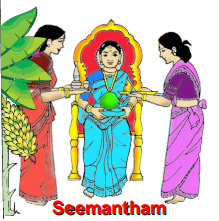
Seemantham is a sacred Sri Vaishnava samskara (rite of passage) performed during the 5th, 7th, or 9th month of pregnancy. For the modern generation, it is more than just a “South Indian baby shower”; it is a spiritual process to ensure the mental and physical well-being of both the mother and the unborn child through Vedic vibrations.
As older generations become fewer, it is vital for us to preserve the “why” and “how” of these rituals. This guide covers everything from the esoteric rituals to practical checklists for families in India and abroad.
1. The Rituals You Might Not Know
While many are familiar with the Bangle Ceremony (Valaikappu), the Iyengar Seemantham places deep emphasis on Vedic mantras and symbolic acts:
- Udagashanthi Japam: Priests chant 1441 mantras over a Kalasham (sacred pot). This water is then used for the mother’s ritual bath, believed to provide mental strength and stimulate the baby’s brain development.
- Pumsavanam: A ritual focusing on physical growth of the fetus and the mother’s health.
- The Hair Parting (Seemantham): The husband symbolically parts the wife’s hair three times using a porcupine quill, a bunch of unripe figs (Aththi-pazham), and Darbha grass.
- The Science: The porcupine quill symbolizes “piercing through obstacles” and ensuring the child develops sharp intellectual points.
- Bangle Vibration: Glass bangles are used because their specific clinking frequency is believed to stimulate the baby’s hearing and brain activity, which begins around the 7th month.
💡 Many modern families don’t realize the precise spiritual and scientific symbolism behind these rituals—they are not just decorative traditions.
2. Family Responsibilities Checklist
A clear division of responsibilities ensures a smooth and meaningful ceremony:
| Responsibility | Boy’s Side (In-laws) | Girl’s Side (Parents) |
| Organization | Fix the date (Muhurtham) and hire the Vadhyar (Priest). | Manage the Valaikappu and traditional feast. |
| Gifts (Seer) | A new silk saree (often Madisar) and gold jewelry. | “Seer Patchanangal” (sweets/snacks) and the 9-grain Varapayiru. |
| The Ritual | Husband performs the Homam and Kappu (tying the protective thread). | Mother applies turmeric to her daughter’s feet and sandalwood to her neck. |
| The Feast | Arranges the main catering. | Prepares the 7-rice feast (Puliyogare, Lemon Rice, Curd Rice, etc.). |
✨ Tradition ensures both families contribute meaningfully—this is especially helpful when families are abroad and need clear roles.
3. Essential Homam Pooja Items
For the spiritual core of the event, you will need:
Sacred Fire:
- Homa Kundam
- Samithu (dry wood)
- Pure cow ghee
- Havan Samagri
Pooja Basics:
- Turmeric, Kumkum, Sandalwood powder
- 20 Betel leaves/nuts, 4 Coconuts, 5 lbs of Raw Rice
Setup:
- Copper Kalasham
- Mango leaves
- White cotton thread
Special Items:
- Porcupine Quill (can be sourced at Pelli Poola Jada)
- Navadhanyam (9 grains)
- Fresh flower garlands
💡 Tip: NRIs can source these items via online pooja supply stores or local temples that provide Seemantham kits.
4. For the Global Iyengar (NRI Guide)
Living outside India doesn’t mean skipping tradition. Here’s how to adapt Seemantham for families abroad:
- Sourcing Materials: Most Hindu temples in the US, UK, and Australia provide PDF checklists and can perform the ceremony. Example: DFW Hindu Temple.
- Vodi Nimpadam (Filling the Lap): If parents cannot travel, close friends take the role of “sisters-in-law” to fill the mother’s lap with grains and fruits, ensuring she feels supported.
- Virtual Participation: Parents can “offer” the saree via video call, while a local relative physically presents it.
🌏 Maintaining the spiritual essence while adapting to global constraints ensures the younger generation experiences the full tradition.
5. Helpful Links for Reference
- Checklists: Download a full PDF list from Sri SuryaNarayana Mandiram
- Decor & Style: Modern traditional inspiration at Dreaming Loud
- Recipes: Authentic Seemantham menu at Subbu’s Kitchen
- Shopping: Pre-made pooja kits from Poojalu.com
6. Closing Thoughts
Seemantham is more than a ritual; it is a celebration of life, protection, and blessings. Understanding the “why” behind each ritual transforms it from a festive gathering into a sacred samskara that leaves lasting memories for both families and the unborn child.
As the older generation becomes fewer, documenting and preserving these traditions is our responsibility. By knowing the rituals, responsibilities, and practical adaptations, the younger generation can carry forward the richness of Iyengar heritage.
 Site Title
Leave a comment